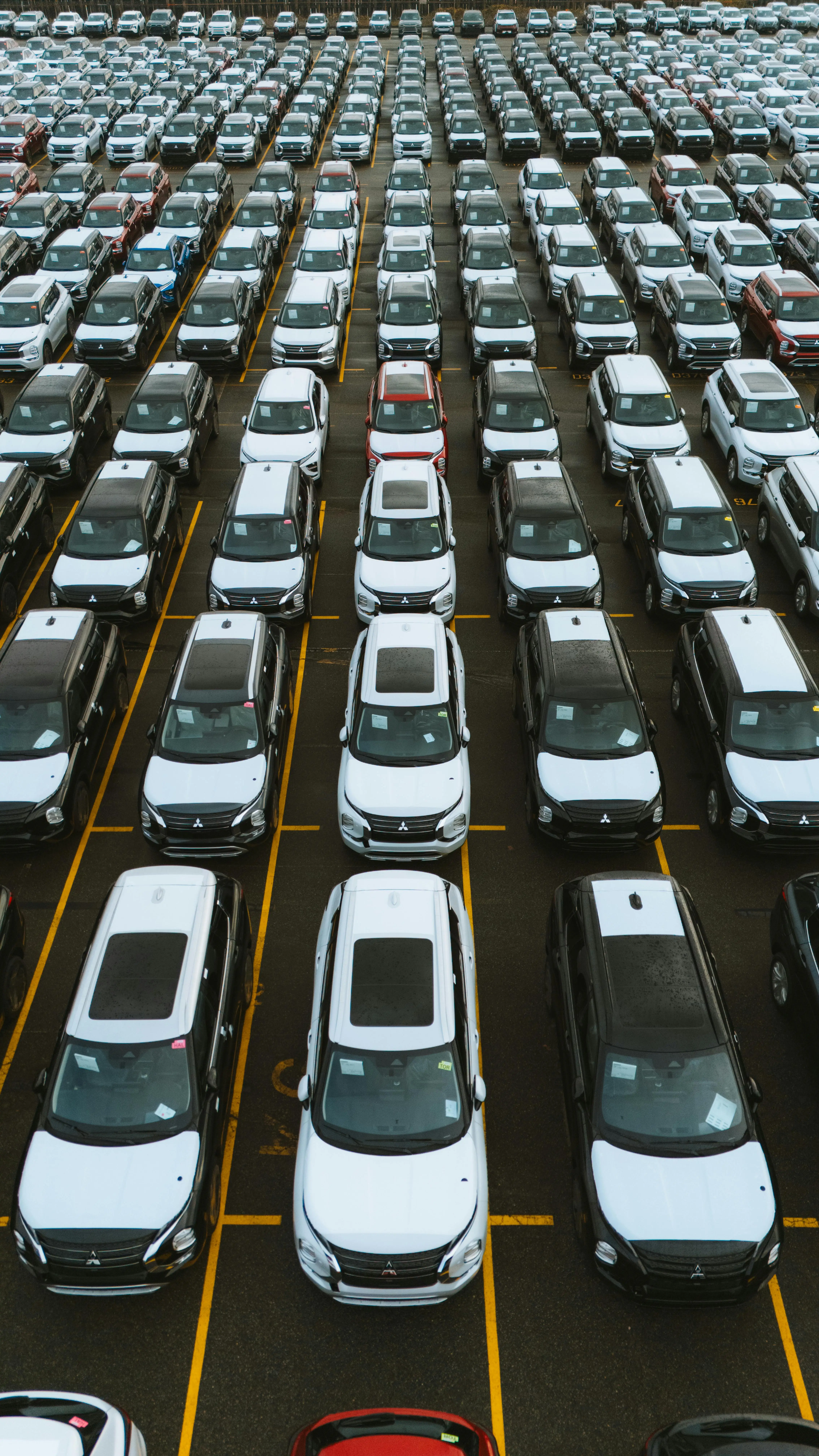
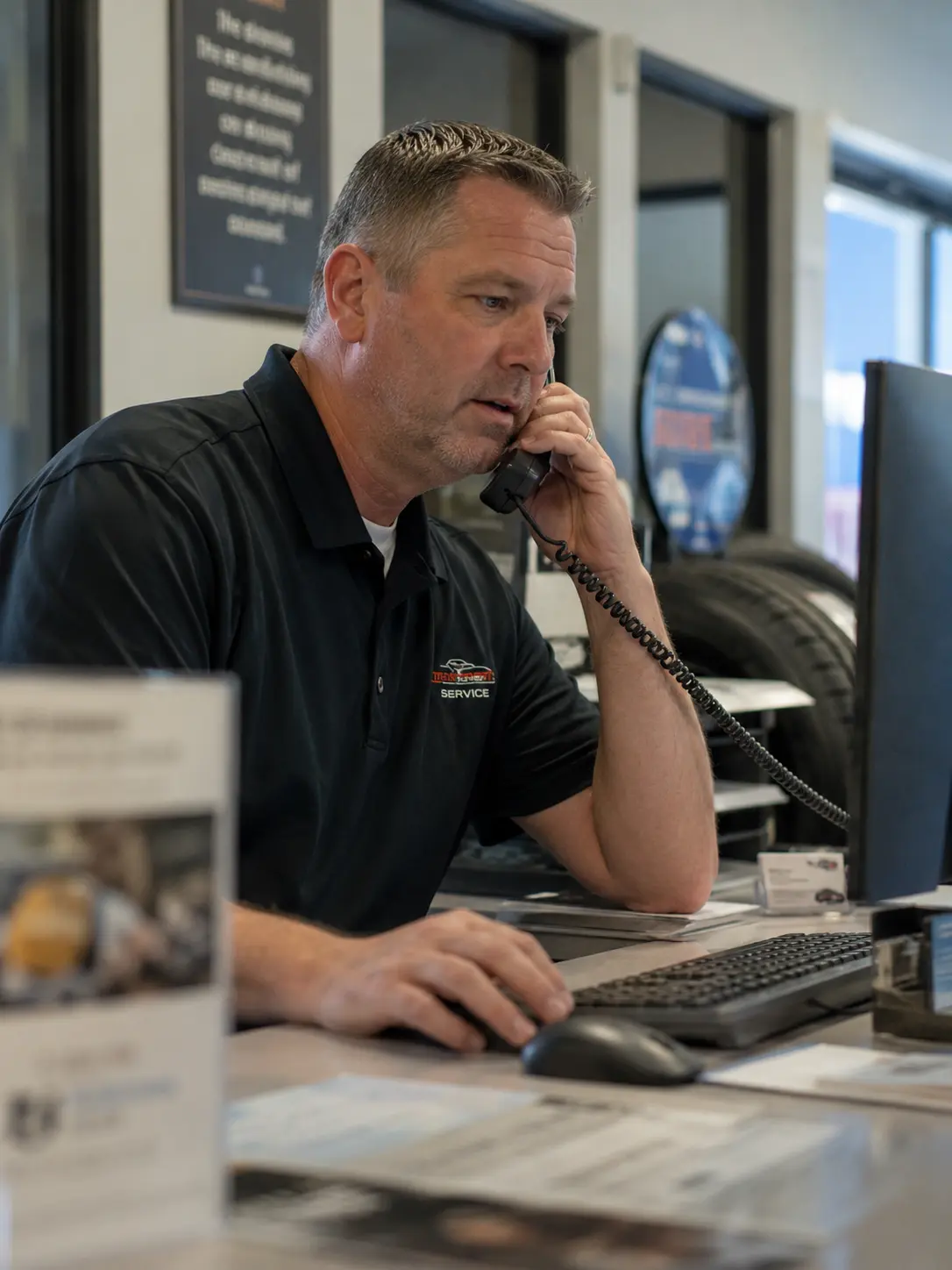
High-volume domestic and import dealerships have a different phone problem than boutique stores. The issue is not simply missed calls. It is simultaneous demand.
A Chrysler, Ford, Toyota, Honda, Hyundai, Kia, or Nissan store can receive overlapping sales inquiries, service bookings, warranty questions, parts calls, status checks, recall questions, finance calls, and inventory availability requests within the same short window. The store may have enough people on paper, but not enough parallel attention when the rush hits.
This playbook is built for that environment: constant velocity, heavy inbound, and thin tolerance for dropped customer intent.
Why high-volume stores feel understaffed even when headcount is normal
Inbound demand stacks up around operational chokepoints:
- Service open
- Lunch coverage
- Saturday service drive
- End-of-day sales follow-up
- OEM incentive changes
- Recall activity
- Weather events
- Month-end urgency
- New allocation or in-transit inventory updates
The problem is not employee effort. It is concurrency. Five qualified people can still fail ten simultaneous calls.
That matters because high-volume stores rely on repeatable throughput. A lost booking or unanswered inventory question does not look dramatic in isolation, but the daily compounding effect is large.
Domestic and import velocity creates different pressure
High-volume domestic and import stores often run a broad model mix with fast-changing availability, incentives, trims, rebates, and financing conversations. Customers may call about:
- A specific VIN from the website
- Whether a truck, van, SUV, or hybrid is physically available
- Lease versus finance payment range
- Trade-in timing
- Service appointment availability
- Warranty or recall eligibility
- Parts arrival
The customer expects the first person or system that answers to know where to send them. They do not want to understand the dealership's internal department map.
That is why top-of-routing coverage matters. The first layer should identify intent, collect context, and move the caller toward the right outcome before the store's internal complexity becomes the customer's problem.
Inventory velocity and phone velocity are linked
NADA's operating formulas treat inventory days' supply and turn rate as basic dealership productivity measures, with a 45-day new-vehicle inventory benchmark shown in its 2025 SlideGuide (NADA SlideGuide). For a high-volume store, that is not only a pricing metric. It is a response metric.
If a shopper calls on a fast-moving unit and waits until the next day for an answer, the dealership risks three bad outcomes:
- The buyer moves to another store.
- The vehicle sells and the caller feels misled.
- The sales team spends time reworking a stale opportunity.
The same issue appears in service. Cox Automotive's fixed-operations research shows that dealerships have lost service loyalty over time and that customer friction remains a key problem (Cox Automotive). High-volume stores cannot afford to make appointment access harder than independent repair alternatives.
The high-volume routing model
A high-volume store should separate inbound into four operational lanes.
| Lane | Examples | Best first action |
|---|
| Routine resolution | Hours, directions, basic availability, appointment preference | Answer, capture, summarize |
| Sales qualification | Vehicle inquiry, trade, payment, test-drive timing | Capture intent and route to sales with context |
| Service intake | Booking, status check, advisor request, recall question | Collect details and avoid unnecessary advisor interruption |
| Escalation | Angry customer, urgent service issue, complex finance question | Route to human with summary and callback path |
The first layer should not pretend to close every conversation. Its job is to prevent the dealership from losing context while humans are busy.
Why service advisors should not carry the phone spike
High-volume service departments often push overflow calls to advisors because they know the answers. That creates a hidden cost.
The advisor is already managing write-ups, technician updates, customer approvals, warranty explanations, and in-lane selling. Task-switching research from the American Psychological Association shows that moving rapidly between tasks creates measurable costs in speed and accuracy (APA). In a service lane, those costs show up as rushed explanations, missed upsell opportunities, poor documentation, and weaker customer experience.
A better design lets advisors handle expert work while the inbound layer captures:
- Customer name and number
- Vehicle year, make, model, and mileage when available
- Preferred appointment window
- Concern or service request
- Advisor preference
- Whether the call is urgent, routine, or status-related
The advisor then receives a cleaner handoff instead of another interruption.
The BDC role in high-volume stores
High-volume stores still need strong BDC teams, but the role should change.
NADA's 2025 Dealership Workforce Study reported 42% annualized turnover across all dealership positions and 66% turnover for sales consultants (NADA report excerpt). In that labor environment, it is risky to build a phone operation that depends on a large entry-level team manually processing every repetitive call.
The BDC should become a closing and recovery unit:
- Work high-intent opportunities
- Confirm appointments
- Rescue missed or abandoned callers
- Review transcripts for coaching
- Handle complex follow-up that requires judgment
- Escalate inventory, pricing, or service exceptions
Automation handles the repetitive intake. People handle the revenue moments.
Security expectations for modern franchise operations
High-volume franchise stores also need to care about security architecture. A phone vendor that demands broad DMS or CRM access can create procurement friction and vendor-risk exposure.
The FTC's Safeguards Rule guidance for auto dealers emphasizes that covered dealerships must consider service-provider security when customer information is involved (FTC). The 2024 CDK outage showed the operational risk of concentrated dealership software dependency, with reporting noting that CDK served about 15,000 North American dealerships and that the incident disrupted core operations (TechCrunch).
For inbound voice, the practical question is:
Can the store capture and route customer intent without giving the vendor more system access than the use case requires?
In many cases, structured summaries, secure email, webhook delivery, and controlled CRM workflows are enough to improve speed without turning the phone layer into a deep systems integration project.
Operating targets for high-volume rooftops
High-volume dealerships should track these targets weekly:
- Missed call rate by hour and department
- Abandoned calls during phone-tree or queue steps
- Median response time for vehicle-specific inquiries
- After-hours inquiry capture rate
- Service appointment requests captured outside advisor availability
- Appointment show rate by source
- Repeat unresolved callers within 24 hours
- Sales opportunities tied to specific aged units
- Handoffs with complete caller context
The reporting should be visible to sales, fixed ops, BDC leadership, and the general manager. Phone performance is not a receptionist metric. It is a store throughput metric.
The playbook in one sentence
High-volume domestic and import stores need a top-of-routing layer that answers during spikes, identifies customer intent, captures structured context, protects advisor and salesperson focus, and moves qualified demand into the right human workflow fast.
That is how a dealership handles infinite inbound without pretending it has infinite staff.